Slatmills Aren’t Toys: Avoid These Common Mistakes
Using a dog-powered slatmill can be an excellent way to enhance your dog’s physical fitness, but it’s crucial to understand the safety considerations and potential risks involved, especially if not used under professional guidance.
Understanding Slatmills and Treadmills
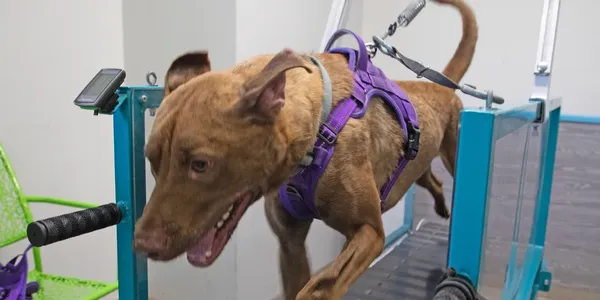
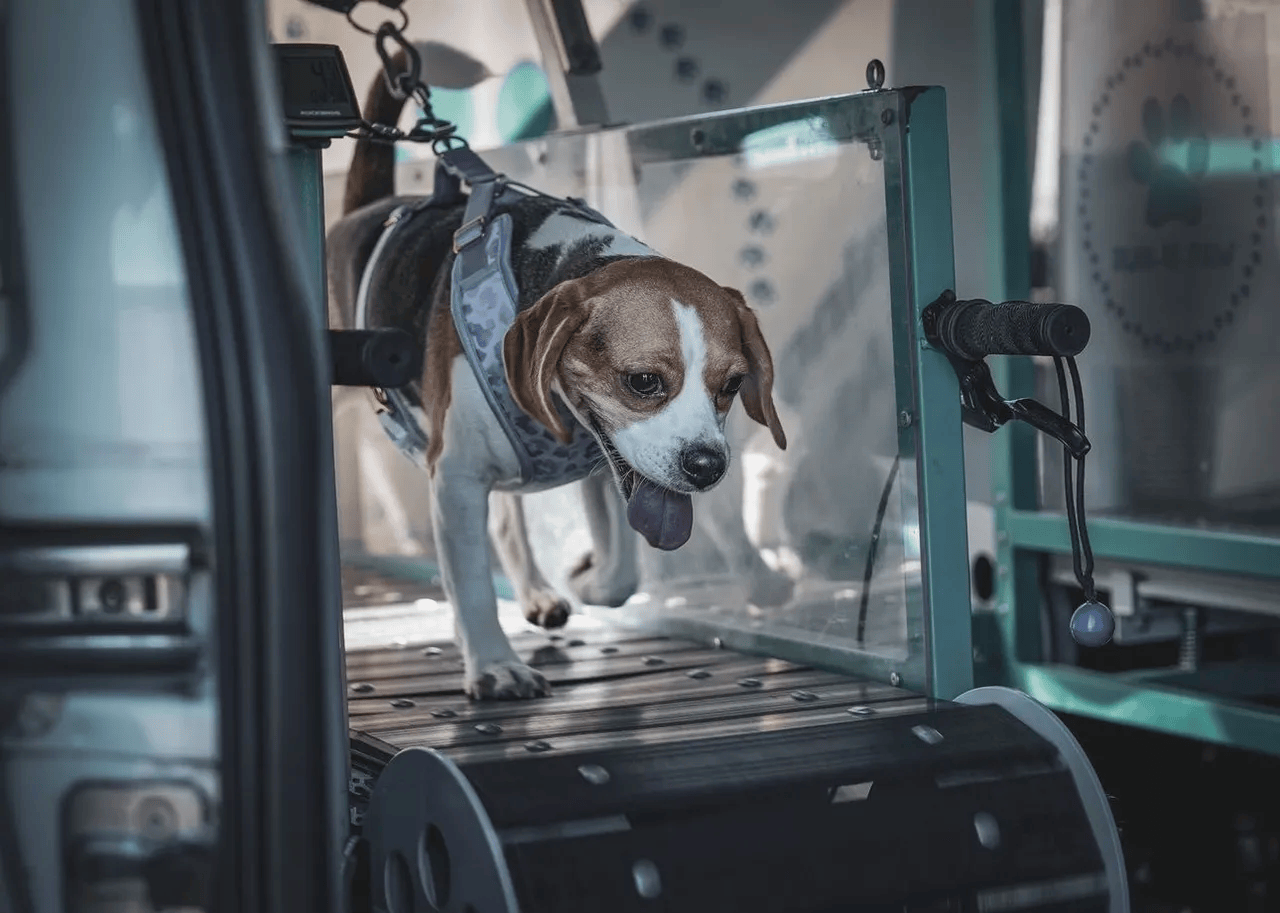
Slatmills are non-motorized devices powered solely by the dog’s movement. They consist of a belt made of slats that rotate as the dog runs, allowing the dog to control the speed and intensity of the workout. This self-paced nature can boost confidence and reduce the risk of falls, as the dog can stop at any time. Preventive Vet+1Canine Athletes+1
Electric treadmills, on the other hand, are motorized and maintain a constant speed set by the user. While they can be beneficial for controlled, steady-paced exercise, they require close supervision to prevent injuries, as the dog cannot stop the machine if they become tired or distressed. Snouts & Stouts
Safety Concerns and Potential Injuries
While slatmills offer a natural running experience, improper use can lead to injuries:
- Joint and Muscle Strain: Without adequate shock absorption, repetitive impact can cause sprains, strains, and long-term joint damage. firepaw.eu
- Overexertion: Dogs may overexert themselves if not monitored, leading to fatigue or heat exhaustion.
- Improper Training: Introducing a dog to a slatmill without proper training can result in anxiety or misuse, increasing the risk of injury.
Electric treadmills pose their own risks, such as the potential for the dog to be unable to keep up with the set speed, leading to falls or injuries. Snouts & Stouts
Importance of Professional Guidance
Engaging a trained professional when introducing your dog to a slatmill or treadmill is highly recommended. Professionals can assess your dog’s fitness level, provide proper training techniques, and ensure the equipment is used safely. They can also advise on appropriate session durations and monitor for signs of fatigue or distress.
Key Differences Between Slatmills and Treadmills
When comparing dog-powered slatmills to electric treadmills, the most significant difference lies in how they operate. Slatmills are completely dog-driven, meaning your dog controls the pace of their workout. This allows for a more natural and self-regulated exercise experience, which reduces the risk of overexertion. In contrast, electric treadmills are motorized and maintain a consistent speed set by the user, which can be dangerous if a dog cannot keep up or needs to stop. Slatmills generally promote better engagement and confidence, especially when dogs are properly introduced to the equipment. However, they do require acclimation and close supervision to ensure proper use. On the other hand, while electric treadmills are easier to operate in a controlled environment, they can lead to stress or physical strain if not closely monitored. Additionally, impact on joints varies depending on the design of each machine—slatmills with proper cushioning systems can offer joint-friendly exercise, but poor design or improper use can cause harm. Ultimately, both tools can be beneficial, but their safety and effectiveness depend heavily on proper training, supervision, and the physical condition of the dog.
Conclusion
Both slatmills and electric treadmills can be valuable tools for canine fitness when used appropriately. However, the potential for injury underscores the importance of professional guidance and supervision. Always consult with a veterinarian or a certified canine fitness trainer before starting any new exercise regimen with your dog.